
My Story
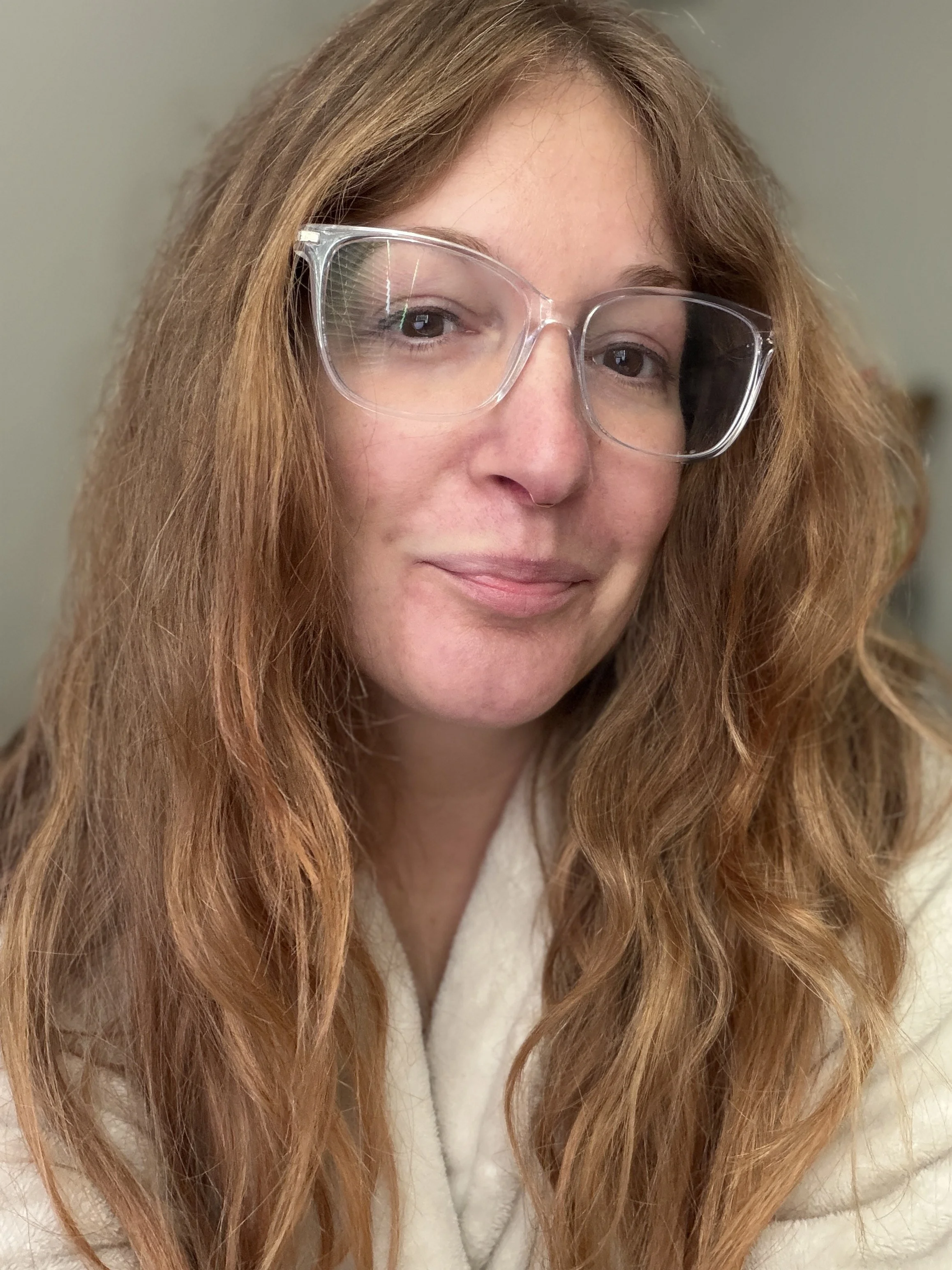
A month after I turned 17, I was making a left-hand turn in my 1998 Ford Mustang, then struck. A teenager t-boned me while speeding around the corner. My car flipped and landed upside down. My face was bloody from the airbag but no significant damage. The next couple days I was very sore, but recovered well.
A year and a half later, at age 18-1/2, I began crying while driving down the highway because of the immense low back pain that came out of nowhere.
My primary physician tried multiple medications to help the pain. A couple years later, I was seeing a pain management physician every other month. Although most didn’t believe me for having such paint at a young age, every doctor and every person attributed my back pain to my accident. I was commonly treated like a “drug-seeking” patient.
Since then, I was diagnosed with:
Chronic pain syndrome
Lumbar degenerative disc disease
Lumbar radiculopathy
Lumbosacral spondylosis without myelopathy
SI joint pain
Trochanteric bursitis
Enthesopathy of hip region
I was eventually prescribed a medication that helped enough, allowing me to function everyday, although I was still in pain. I just learned to live with it.
Fast forward to age 38, twenty years into a life with chronic pain and no true diagnosis. All of a sudden, I need a nap every day, I have trouble remembering recent conversations or why I walked into the kitchen, my weight is going back up again, my hands are becoming sore from slight use, my everyday tension headaches are more commonly migraines, I’m stiff in the mornings with trouble walking, and my motivation and enthusiasm for work is slowly decreasing.
Six months into that year, I become more irritable, my fatigue becomes extreme, my motivation is barely there, cramps become severe, every morning is a migraine headache instead of a tension headache, I cry for no good reason, I have a panic attack for the first time in years, my back pain worsens, my entire body hurts, and I don’t know what’s going on.
I see one of my physicians. She thinks I’m in perimenopause and prescribes birth control. Within a month, my most recent symptoms have slightly improved, but my exhaustion is still present, my pain is still present, my motivation still lacks (probably because of the exhaustion), and my memory is awful.
Then, a few months later, I see my pain management physician and I explain all of this to him. His response is, “do you have fibromyalgia?”. And I think “FINALLY!”, someone thinks this is a possibility other than me. I’ve been wondering this for years. So, he prescribes 30mg of Duloxetine, a low dose to see how I do. It helps a little. On the next visit, I mention perimenopause. He tells me that he’s also a women’s health and hormone physician. I tell him that I was prescribed birth control. In his opinion, that will “reek havoc on my body”, so he prescribes Progesterone.
To learn more about my journey with a chronic illness accompanied by perimenopause, follow my blogs.
The Importance of Support
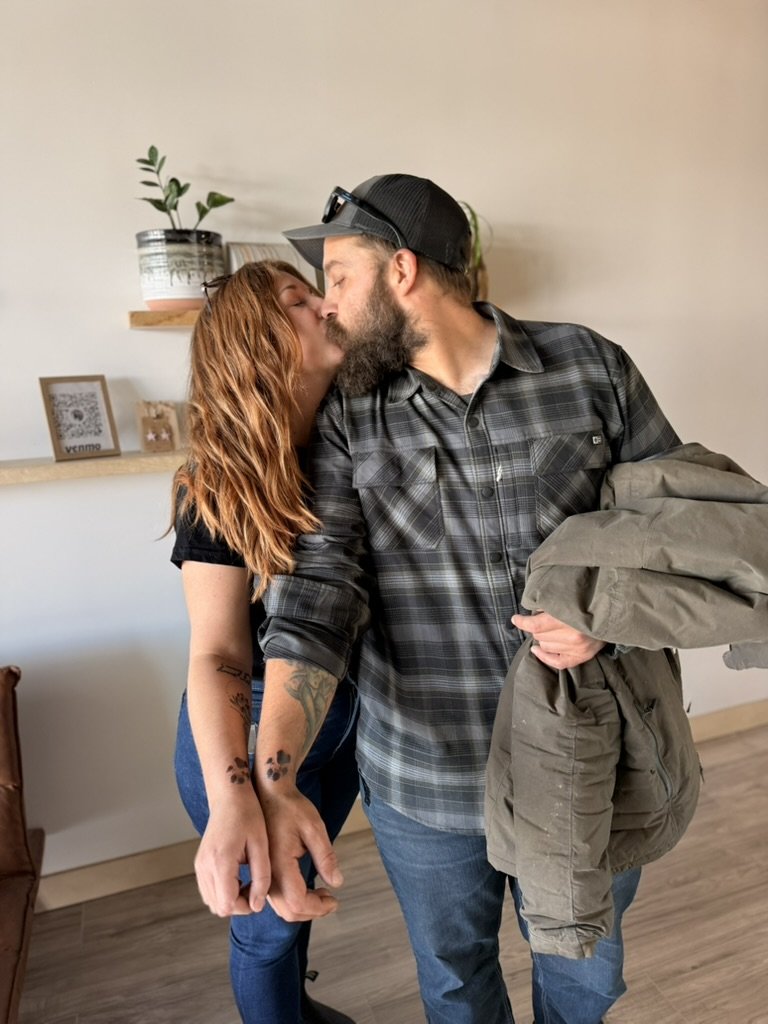
One thing I don’t take for granted is the support I have around me.
I'm beyond grateful to have a husband who believes me and encourages me daily. He doesn't question whether or not I'm really hurting. He doesn’t make me feel guilty when I need to rest. He doesn’t expect me to push through when my body is telling me not to. Instead, he makes sure that I’m not pushing myself.
My mother is very supportive, too, and I've been so fortunate to find that same understanding in my friends and in the women I work alongside every day.
I truly know how fortunate that makes me, because I also know what the opposite feels like. There was a time when I was made to feel guilty for resting and where I wasn’t believed when I spoke about the pain I was experiencing. I truly know what it feels like to struggle physically and mentally, then have to defend or justify that struggle to the person who is supposed to be in your corner.
Maybe that's part of why the support I have now means so much to me.
Living with fibromyalgia and perimenopause comes with enough questioning of yourself and doubting yourself. Am I doing too much? Am I doing too little? Should I push through this? Do I need to rest? Am I letting people down? Having people around me who don't add to those questions makes a huge difference.
I also know that isn't everyone's experience. Some people are living with chronic illness without a supportive partner, family, friends, or workplace. If that's you, I won't pretend to have the perfect words to make that easier. I just want to acknowledge that I know it's hard, and that being believed, supported, and heard does matters.
I'm truly grateful for the people in my life who give me that.